
Pool Compliance Certificates in NSW: Selling, Leasing and the Pool Register
A pool compliance certificate (formally a certificate of compliance under the Swimming Pools Act 1992) confirms that a registered pool or spa has a barrier that meets the NSW safety standard. Council or a registered certifier issues it after an inspection, and it is valid for three years if the barrier isn't changed. You need one, or an accepted alternative, to sell or lease a NSW property with a pool.
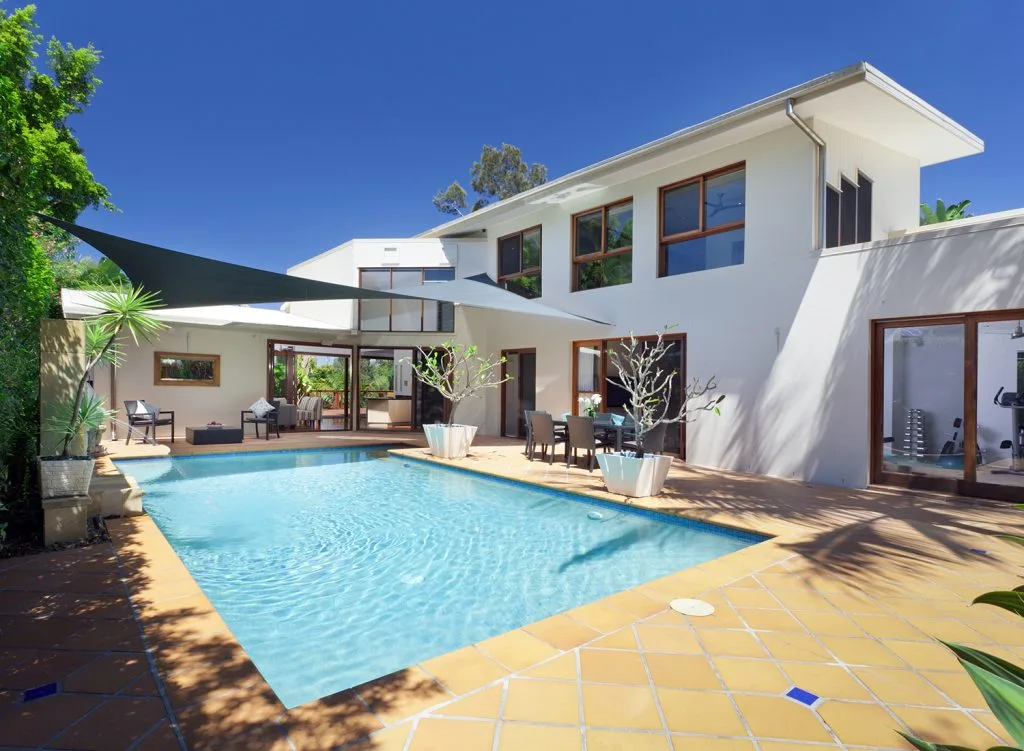
Spring is the busiest time of year for property listings on the North Coast, and it is also when pool owners start thinking about summer. That combination brings us a steady run of the same questions: Do I need a pool certificate to sell? Can I lease the house while the fence is being fixed? Is my pool even registered?
This guide answers them. It covers the three certificates the NSW system uses, what has to be attached to a contract of sale or lease, how the NSW Swimming Pool Register fits in, and how to get a certificate without holding up a sale. For the barrier rules themselves (heights, gaps, gates and the non-climbable zone), see our guide to pool fence inspection rules in NSW.
What Is a Pool Compliance Certificate?
A pool compliance certificate is the document that proves a pool's safety barrier met the required standard on the day it was inspected. Its legal name is a certificate of compliance, issued under the Swimming Pools Act 1992. You will also hear it called a pool safety certificate or a pool barrier certificate. “Pool safety certificate” is actually the Queensland term, which is why it turns up so often online.
Three things are true of every NSW certificate of compliance:
- The pool must be on the NSW Swimming Pool Register. A certificate can't be issued for an unregistered pool.
- It is issued after an inspection by your local council or a registered certifier, and is recorded against the pool on the register.
- It is valid for three years from the date of issue, provided the barrier isn't altered. Council can still act on a barrier that becomes non-compliant during that time.
The Three Pool Certificates in NSW
People often talk about “the pool certificate” as if there were only one. There are three, and they do different jobs.
| Certificate | What it shows | Where it's used |
|---|---|---|
| Certificate of registration | The pool is listed on the NSW Swimming Pool Register | Every sale, and the starting point for every inspection |
| Certificate of compliance | The barrier passed inspection. Valid for 3 years | Sale or lease |
| Certificate of non-compliance | The barrier was inspected and failed, with the defects listed | Sale only. Not accepted for a lease |
There is also a fourth document that can stand in for a certificate of compliance: a relevant occupation certificate issued for the pool within the last three years. That usually only applies to a pool that was built or rebuilt recently.
Do You Need a Pool Certificate to Sell a House in NSW?
Yes. A contract for the sale of a property with a pool or spa must include a certificate of registration plus one of the following:
- a valid certificate of compliance, or
- a relevant occupation certificate issued for the pool within the last three years, or
- a certificate of non-compliance.
The certificate of non-compliance is the option that surprises people. You can sell a property whose pool fence doesn't comply, but the responsibility passes to the buyer. The buyer then has 90 days from settlement to fix the barrier and obtain a certificate of compliance. That 90-day window doesn't apply where the certificate records a significant risk to public safety. In that case the work has to be done sooner, as council directs.
If none of these documents is attached, the buyer may be able to rescind the contract. That is a risk no vendor wants in the middle of a sale, so the certificate should be sorted before the property is listed rather than after an offer arrives.
Selling soon? A failed inspection isn't the end of the sale, but it can cost you. Buyers and their solicitors tend to price a certificate of non-compliance into their offer. In most cases a gate repair or a cleared non-climbable zone is far cheaper than the discount, so it pays to inspect early and fix what's found.
Can You Lease a Property With a Pool Without a Certificate?
No. Before a new residential lease starts, the landlord must give the tenant a copy of a valid certificate of compliance or a relevant occupation certificate issued within the last three years. A certificate of non-compliance is not accepted for a lease. The 90-day handover option exists only for sales.
For landlords and property managers, the practical point is timing. A certificate lasts three years, so a pool that passed early in a long tenancy may need re-inspecting before the next lease is signed. The landlord can't hand that responsibility to the tenant.
Who Is Exempt?
The sale and lease requirements don't apply to properties in a strata or community scheme with more than two lots, or to off-the-plan contracts. The pool still has to be registered and kept compliant, and in a strata scheme that job falls to the owners corporation. A two-lot strata, such as a typical duplex with a shared pool, is not exempt.
What Is the NSW Swimming Pool Register?
The NSW Swimming Pool Register is the State Government's online record of every private pool and spa in NSW. Every pool or spa that can hold more than 30 cm (300 mm) of water must be on it. That includes above-ground, portable and inflatable pools. Registering is free and is the owner's responsibility, and council can fine owners who haven't registered.
To register, you create an account on the NSW Swimming Pool Register website, enter the property and pool details, and complete a self-assessment checklist on the barrier. The self-assessment is a useful first look, but it isn't an inspection and it doesn't produce a certificate of compliance.
If you've bought a home with a pool, check the register. Previous owners don't always register, and details such as a pool replaced since registration may be out of date. The register is also where certificates of compliance are issued and recorded, so a pool that isn't on it can't be certified.
How to Get a Pool Compliance Certificate: Step by Step
- Register the pool. Confirm it is on the NSW Swimming Pool Register and keep the certificate of registration for the sale contract.
- Do a quick pre-check. Test that the gate self-closes and self-latches from any open position. Clear the 900 mm zone outside the fence of pot plants, furniture and anything a child could climb. Check for washed-out gaps under the fence.
- Book an inspection with council or a registered certifier. Allow for any rectification time if you are working towards a listing or lease date.
- The inspection. The inspector assesses the barrier against the standard that applies to your pool, usually in 30 to 60 minutes on site.
- Pass: a certificate of compliance is issued and recorded on the register.
- Fail: you receive written notice listing each defect. Once the work is done, a re-inspection confirms compliance and the certificate is issued. If you are selling, you can instead ask for a certificate of non-compliance for the contract.
The most common reasons a barrier fails are gates that don't close or latch reliably, climbable objects in the non-climbable zone, gaps under the fence after soil erosion, and boundary fences that are too low. Our pool fence rules guide covers each one and how to fix it.
Is the Pool Barrier Standard Changing?
The Australian Standard for pool barriers, AS 1926.1, was revised in 2024. Some NSW councils are already preparing owners for a move to the 2024 edition. Penrith City Council, for example, points to an expected transition from 1 May 2027. Two things are worth knowing. A certificate of compliance that is already issued stays valid for its three-year term. And which version of the standard a barrier is assessed against still depends on the pool and when it was built, which is why a pool that passed years ago can fail today if it has been altered. We will update this guide when the NSW regulations change.
How Much Does a Pool Compliance Certificate Cost?
East Coast Building Consultants carries out pool barrier inspections from $242 including GST. That covers the on-site inspection and either your certificate of compliance or a written list of what needs fixing. A re-inspection fee applies if we need to return after rectification works, and properties with more than one pool or spa are quoted individually. Councils also inspect pools and set their own fees. See our pool fence inspection service for details.
Pool Compliance Certificates Across the Northern Rivers
We inspect pool barriers and issue certificates of compliance across Byron Bay, Ballina, Lennox Head, Tweed Heads, Lismore, Yamba, Grafton and the wider Northern Rivers. If you are selling, leasing or have just bought a home with a pool, we can tell you where the barrier stands, what (if anything) needs fixing, and get the certificate on the register so it's ready for the contract.
Pool Compliance Certificate FAQs
How long is a pool compliance certificate valid in NSW?
A certificate of compliance is valid for three years from the date it is issued, as long as the pool barrier isn't altered. Council can still take action if the barrier becomes non-compliant during that time.
Can I sell my house in NSW without a pool compliance certificate?
Yes, but not without a pool certificate of some kind. The contract must include a certificate of registration plus a certificate of compliance, an occupation certificate for the pool issued within the last three years, or a certificate of non-compliance. With a certificate of non-compliance, the buyer has 90 days from settlement to make the pool compliant.
Can I lease a property with a certificate of non-compliance?
No. A residential lease needs a valid certificate of compliance or a relevant occupation certificate issued within the last three years. A certificate of non-compliance is only accepted for a sale.
Who can issue a pool compliance certificate in NSW?
Your local council or a registered certifier can inspect the barrier and issue a certificate of compliance. The pool must already be on the NSW Swimming Pool Register.
How much does a pool compliance certificate cost?
East Coast Building Consultants inspects pool barriers from $242 including GST. That covers the inspection and either the certificate or a written list of defects. A re-inspection fee applies if a return visit is needed. Councils set their own fees.
How do I check if my pool is registered in NSW?
Search the NSW Swimming Pool Register online using the property address. If the pool isn't listed, or the details are out of date, the owner should register or update it. Registration is free.
Do strata properties need a pool certificate to sell or lease?
Not if the strata or community scheme has more than two lots. The sale and lease certificate rules don't apply to those schemes, though the owners corporation must still keep the pool registered and compliant. Two-lot schemes are not exempt.
Selling, leasing or buying a property with a pool in Northern NSW? Contact East Coast Building Consultants on (02) 6680 8705 or email info@ecbc.au. We'll inspect the barrier, tell you clearly where it stands, and issue your certificate of compliance.
Need Certification or an Inspection?
Talk to our team of A3 accredited certifiers — we typically respond within one business day.
GET A FREE QUOTE