
Pool Fence Inspection Rules in NSW (2026): What Every Homeowner Must Know
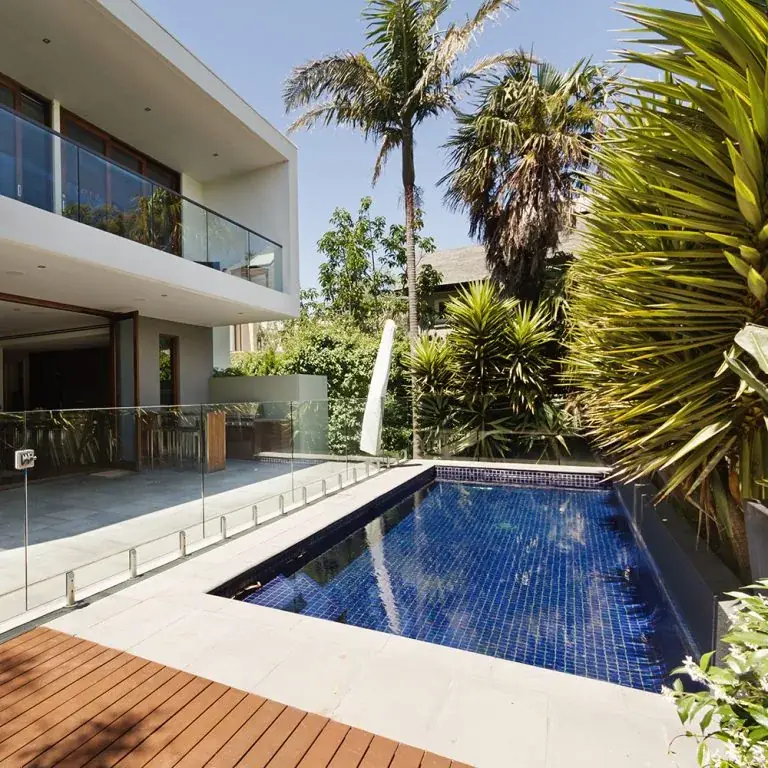
A backyard pool is one of the best things about living in Northern NSW — but it comes with strict safety obligations. Pool barrier rules exist to prevent young children drowning, and they are enforced. If you own a pool, or you are about to buy or sell a property with one, you need to understand the inspection rules and what a compliant fence actually looks like. This guide walks through the law, the key requirements, when an inspection is required, and the most common reasons fences fail.
What Does NSW Law Require for Pools?
NSW law requires that every swimming pool or spa capable of holding more than 30 cm of water be listed on the NSW Swimming Pool Register and be surrounded by a compliant child-resistant barrier under the Swimming Pools Act 1992 and Regulation. These obligations apply to the pool owner and cover in-ground, above-ground, portable and inflatable pools.
What Makes a Pool Fence Compliant?
Under AS 1926.1, a compliant NSW pool barrier must be at least 1.2 m high with no gaps greater than 100 mm at the base or between vertical members. Gates must be self-closing, self-latching and swing outward away from the pool. A 900 mm non-climbable zone must be kept clear outside the barrier. Any boundary fence forming part of the barrier must be at least 1.8 m high.
The requirements homeowners most often need to get right are:
- Height: at least 1.2 m, measured from the finished ground level
- Ground clearance: gap at the base must be no more than 100 mm
- Gaps between vertical bars: no opening may exceed 100 mm
- A self-closing, self-latching gate that swings outward away from the pool
- Latch height out of a young child's reach
- A 900 mm non-climbable zone clear of objects, footholds and horizontal rails on the outside of the barrier
- Any boundary fence used as part of the barrier must be at least 1.8 m high
Requirements can vary depending on when the pool was built, so the safest approach is to have the barrier assessed against the standard that applies to your pool.
When Do You Need a Pool Inspection and Certificate of Compliance?
You need a current certificate of compliance whenever you sell or lease a property with a pool in NSW. For sales, the certificate must be attached to the contract of sale. For leases, a copy must be given to the tenant before they move in. A certificate is generally valid for three years, provided the barrier is not altered. Many owners also book a voluntary inspection after buying, renovating the yard, or installing new pool equipment.
Why Do Pool Fences Fail Inspection?
Pool fences most often fail inspection because of gates that do not self-close or self-latch reliably — by far the most common fault. Other frequent reasons are:
- Objects left inside the 900 mm non-climbable zone — pot plants, furniture, BBQs or structures a child could climb
- Gaps at the base wider than 100 mm from eroded or sloping ground
- Boundary fences used as part of the barrier that are too low or climbable
- Deteriorated fencing or corroded gate hardware
Most of these are straightforward to fix once identified. An inspection tells you exactly what needs to change before you can get the certificate — if a pool does not pass, you are issued a Notice of Non-Conformity setting out precisely what has to be rectified, which you can hand straight to your fencer.
Do Above-Ground and Portable Pools Need a Barrier?
Yes. A common misconception is that above-ground and inflatable pools are exempt. They are not. If the pool holds more than 30 centimetres of water, it must be registered and have a compliant barrier. The walls of an above-ground pool can sometimes form part of the barrier, but only if they meet the non-climbable and height requirements — which often means additional fencing is still needed.
How Much Does a Pool Inspection Cost?
East Coast Building Consultants carries out pool barrier inspections from $242 incl. GST. We assess the barrier against the standard, tell you clearly whether it complies, and either issue the certificate or provide a short list of what needs to change. If rectifications are needed, a quick re-inspection confirms compliance and the certificate is issued. Contact us for a quote.
Pool Fence Inspections Across Byron Bay and the Northern Rivers
East Coast Building Consultants carries out pool barrier inspections and issues certificates of compliance across Byron Bay, Ballina, Lennox Head, Tweed Heads, Lismore, Yamba and the wider Northern Rivers. Whether you are selling, leasing, or simply want the reassurance that your barrier keeps children safe, we make the process quick and clear.
Frequently Asked Questions
How high does a pool fence need to be in NSW?
A pool barrier must be at least 1.2 metres high, measured from the finished ground level, with no more than a 100-millimetre gap at the bottom. The exact requirements depend on the standard that applies to your pool, so it is best to have it assessed.
Do above-ground pools need a fence?
Yes. Any pool — above-ground, portable or inflatable — that holds more than 30 centimetres of water must be registered and surrounded by a compliant barrier. The pool walls only count as part of the barrier if they meet the standard.
How long is a pool certificate of compliance valid?
In NSW a certificate of compliance is generally valid for three years, as long as the barrier is not altered during that time.
When do I need a pool compliance certificate?
You need a valid certificate when selling or leasing a property with a pool. Many owners also get a voluntary inspection after buying a home or changing their backyard.
Who can inspect my pool fence?
Pool barrier inspections can be carried out by your local council or by an accredited private certifier. East Coast Building Consultants is accredited to inspect barriers and issue certificates of compliance across Northern NSW.
Need a pool fence inspection in Northern NSW? Contact East Coast Building Consultants on (02) 6680 8705 or email info@ecbc.au. We service Byron Bay, Ballina, Tweed Heads, Lismore and the broader Northern Rivers region.
Need Certification or an Inspection?
Talk to our team of A3 accredited certifiers — we typically respond within one business day.
GET A FREE QUOTE