
BASIX Assessments and Certificates in NSW: A Guide for Builders and Homeowners

BASIX assessments are a critical component of the building approval process in New South Wales. This guide explains what a BASIX assessment is, when your project needs one, how the assessment works, and the benefits it delivers.
BASIX stands for the Building Sustainability Index. It is a NSW planning requirement that sets minimum energy, water and thermal-comfort standards for new homes and major renovations. A BASIX certificate confirms your design meets those targets, and it must be lodged with your development application or complying development certificate.
What is a BASIX Assessment?
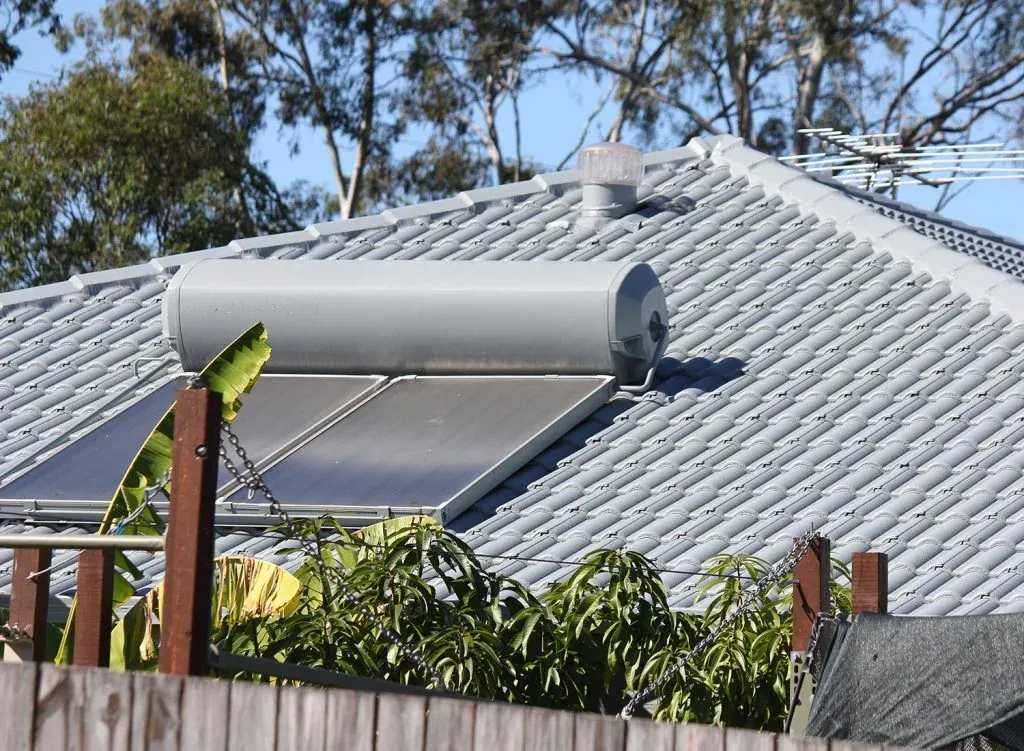
BASIX (Building Sustainability Index) is a program developed by the New South Wales government to promote sustainable residential development. A BASIX assessment is a report that measures the energy and water efficiency of a proposed residential development.
The assessment includes a range of measures, including the installation of water-saving devices, energy-efficient lighting, and heating and cooling systems. Furthermore, the assessment also takes into account the utilisation of sustainable materials and assesses the overall environmental impact of the development.
When is a BASIX Certificate Required?
In NSW, a BASIX certificate is required for:
- All new residential dwellings — houses, townhouses, apartments and secondary dwellings (granny flats)
- Alterations and additions with an estimated value of $50,000 or more
- A swimming pool or spa (or combination) with a total volume greater than 40,000 litres
The certificate is prepared before you lodge, and it must accompany your development application or complying development certificate. If your project falls below these thresholds, a BASIX certificate is generally not required — but it is always worth confirming, because the assessment can still be requested by council in some circumstances.
How Do BASIX Assessments Work?
BASIX is typically required as part of the building approval process for new residential developments in New South Wales. The assessment is conducted by a qualified BASIX assessor who has been accredited by the government.
Upon completion of the assessment, the assessor issues a report to the builder or developer, delineating the sustainability measures essential for complying with BASIX requirements. Consequently, the builder or developer must diligently ensure the integration of these measures into the design and construction of the development.
What Are the Benefits of BASIX Assessments?
BASIX assessments provide several benefits for builders, developers, and homeowners, including:
• Cost savings: By incorporating sustainable measures into the design and construction of a development, homeowners can save on energy and water costs over the long term.
• Environmental sustainability: BASIX assessments promote the use of sustainable materials and energy-efficient systems, reducing the overall environmental impact of residential development.
• Compliance: BASIX assessments are a mandatory requirement for building approval in New South Wales. By meeting BASIX requirements, builders and developers can ensure compliance with government regulations.
BASIX Assessment FAQs
What does BASIX stand for?
BASIX stands for the Building Sustainability Index. It is the NSW scheme, introduced in 2004, that sets minimum standards for water use, energy use and thermal comfort in new homes and major renovations. A BASIX certificate is the document proving a design meets those targets.
What happens if my design does not meet the BASIX targets?
The certificate cannot be issued until it does, so the design is adjusted until the targets are met — usually through glazing, insulation, hot water system or fixture changes. It is far cheaper to resolve at design stage than after construction, which is why the assessment is done before you lodge.
Do I need a BASIX certificate for a granny flat?
Yes. Secondary dwellings are new residential dwellings, so a BASIX certificate is required regardless of size or cost, and must be lodged with the development application or complying development certificate. The same applies to houses, townhouses, apartments and dual occupancies.
What is a BASIX certificate?
A BASIX certificate is a NSW planning document confirming that a new home or major renovation meets minimum standards for water use, energy use and thermal comfort. It is produced by a BASIX assessment and must be lodged with your development application or complying development certificate.
When do I need a BASIX certificate in NSW?
You need a BASIX certificate for all new dwellings, for alterations and additions valued at $50,000 or more, and for swimming pools or spas holding more than 40,000 litres. Smaller projects are generally exempt, but it is worth confirming with your certifier.
How long is a BASIX certificate valid?
A BASIX certificate is valid for three months from the date it is issued. If your development application or complying development certificate is not lodged within that time, the certificate expires and a new one must be generated.
Who can prepare a BASIX certificate?
Simpler projects can be completed through the online BASIX tool, while more complex homes usually need an accredited BASIX assessor. East Coast Building Consultants can explain what your project requires and coordinate the assessment as part of your certification.
BASIX Assessments Across Northern NSW
We prepare BASIX assessments and certificates for homeowners, builders and property investors throughout Northern New South Wales — Byron Bay, Ballina, Lennox Head, Lismore, Tweed Heads, Yamba and Grafton — and coordinate them as part of your Construction Certificate or Complying Development Certificate, so the sustainability work and the approval run together rather than one holding up the other.
Speak to the Experts at East Coast

Contact East Coast Building Consultants today to learn how we can help you with your next construction project. Email or call our friendly team on (02) 6680 8705 and we’ll arrange a consultation and a free quote.
Need Certification or an Inspection?
Talk to our team of A3 accredited certifiers — we typically respond within one business day.
GET A FREE QUOTE