
Practical Completion Inspection (PCI) in NSW
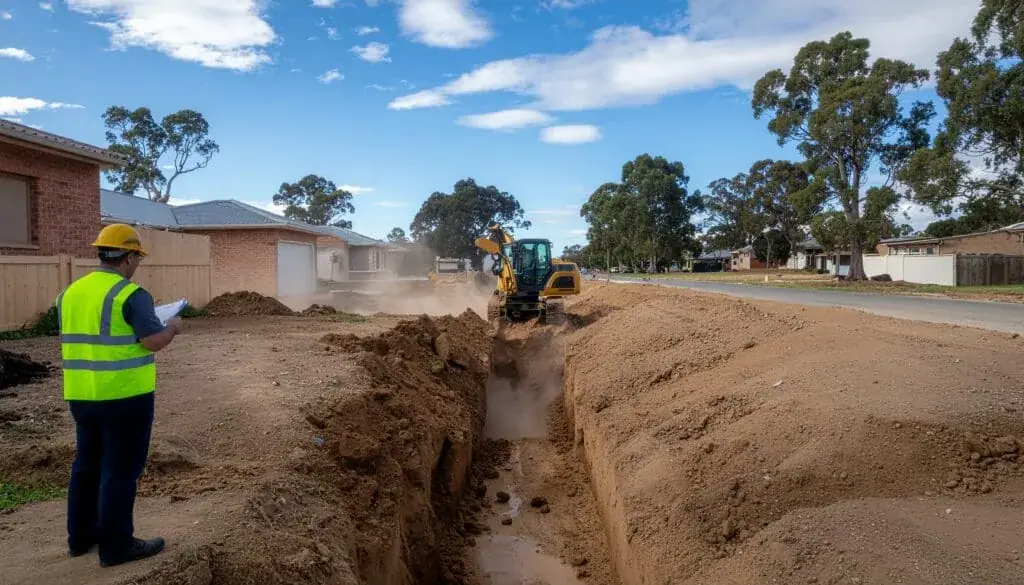
A practical completion inspection (PCI) is an independent inspection carried out at the point your builder says the work is finished, but before you make the final payment. The inspector walks the whole building against the plans, the specification and the relevant standards, and produces a written defects list for the builder to rectify. It is a contractual quality check — it is not the same thing as an occupation certificate, and one does not replace the other.
If your builder has told you the job has reached “practical completion” and the final invoice has arrived, this guide explains what that milestone means, what an independent PCI covers, and why the order in which you inspect and pay matters.
What Is Practical Completion?
Practical completion is the point at which building work is complete except for minor defects or omissions that do not prevent the building being used for its intended purpose. It is a contractual milestone rather than a statutory one — most standard NSW residential building contracts define it, and reaching it usually triggers two things: the final progress payment becomes due, and the defects liability period starts to run.
That makes practical completion the last practical moment at which you have real leverage. Once the final payment has been made, rectifying defects depends on the builder's cooperation and the defects liability clause in your contract rather than on money still being held.
Practical Completion Inspection vs Occupation Certificate
These two are routinely confused, and they do different jobs.
- An occupation certificate is a statutory certificate issued by your principal certifier confirming the building is suitable to occupy. It is about compliance with your development consent, the construction certificate and the National Construction Code.
- A practical completion inspection is a contractual quality check commissioned by you. It is about workmanship, finish and whether you have received what the contract said you would.
A building can hold a valid occupation certificate and still have a long defects list. The occupation certificate is a floor, not a ceiling — it does not certify that the paintwork is even, that the doors close properly or that the tiling matches the specification.
What a PCI Covers
A thorough practical completion inspection works through the whole building, inside and out, against the contract documents. Typically that includes:
- internal finishes — walls, ceilings, cornices, paintwork, plasterboard joints and visible cracking;
- doors, windows and hardware — alignment, operation, locks, seals and weatherproofing;
- wet areas — tiling, falls to floor wastes, silicone, shower screens and visible waterproofing terminations;
- joinery and fixtures — cabinetry alignment, benchtops, appliances installed and operating;
- floor coverings, skirting and architraves;
- external work — cladding, roofing and gutters where visible, driveways, paths, fencing and site drainage;
- anything specified in the contract that has not been supplied, and anything supplied that does not match the specification.
The output is a written, photographed defects list you can hand to the builder as a single document, rather than a series of phone calls.
What Goes on the Defects List — and What Doesn't
A defects list records work that is incomplete, defective, or not in accordance with the contract and the relevant standards. It does not record changes of mind, and it is not a mechanism for renegotiating the contract. Being specific about that distinction is what makes a list useful: a builder will act quickly on a defensible, itemised list and will resist a vague one.
Minor items — a chip in a benchtop, a door that binds, a missing seal — are exactly what practical completion contemplates. Structural or safety issues are a different matter and may mean the work has not reached practical completion at all.
When Should You Book a Practical Completion Inspection?
Book it as soon as your builder gives notice that practical completion has been reached, and before you release the final payment. Give yourself enough time that the inspection, the defects list and the rectification can happen inside the notice period in your contract. Booking a week or two ahead of the expected date is sensible, because completion dates move.
If handover has already happened, an inspection is still worth doing — the defects liability period gives you a window in which the builder remains obliged to rectify defective work, and a documented list submitted inside that window is far stronger than a complaint made after it closes.
Who Should Carry Out Your PCI?
Someone independent of the builder. That is the whole value of the exercise: an inspector engaged by you, reporting to you, with no interest in the job being signed off quickly. An experienced building consultant will know the difference between a genuine defect and a finish tolerance that is within the acceptable range, which matters as much as finding the defects in the first place.
Practical Completion Inspections Across Byron Bay and the Northern Rivers
East Coast Building Consultants carries out independent practical completion inspections across Byron Bay, Ballina, Lennox Head, Tweed Heads, Lismore, Yamba, Grafton and the wider Northern Rivers. We have completed more than 6,000 inspections since 2004, and we report to you in plain English with photographs and a defects list your builder can work from. If you also need a dilapidation report or pool fence inspection on the same property, we can arrange them together.
Practical Completion Inspection FAQs
What is a practical completion inspection?
An independent inspection carried out when your builder says the work is finished but before you make the final payment. It checks the building against the contract, the plans and the relevant standards, and produces a written defects list for rectification.
Is a PCI the same as an occupation certificate?
No. An occupation certificate is a statutory certificate issued by the principal certifier confirming the building is suitable to occupy. A practical completion inspection is a contractual quality check commissioned by you, covering workmanship and finish. A building can have a valid occupation certificate and still have a substantial defects list.
When should I book a practical completion inspection?
As soon as your builder gives notice of practical completion and before you release the final payment, leaving enough time for the inspection, the defects list and rectification within the notice period in your contract.
What happens to the defects list after the inspection?
You provide it to your builder as a single written document. The builder rectifies the items, and a re-inspection can confirm the work has been done before the final payment is released.
Can I still get an inspection after handover?
Yes. The defects liability period in your contract gives you a window in which the builder remains obliged to rectify defective work. A documented list submitted inside that window is much stronger than a complaint raised after it closes. Check your contract for the exact period, which commonly runs for several months from practical completion.
Do you carry out PCIs in Byron Bay?
Yes — across the Byron Shire and the wider Northern Rivers, including Ballina, Lennox Head, Tweed Heads, Lismore, Yamba and Grafton. Our offices are in Byron Bay and Lismore, so inspections across the region are quick to arrange.
Need an independent practical completion inspection in Northern NSW? Contact East Coast Building Consultants on (02) 6680 8705 or email info@ecbc.au — we typically respond within one business day.
Need Certification or an Inspection?
Talk to our team of A3 accredited certifiers — we typically respond within one business day.
GET A FREE QUOTE